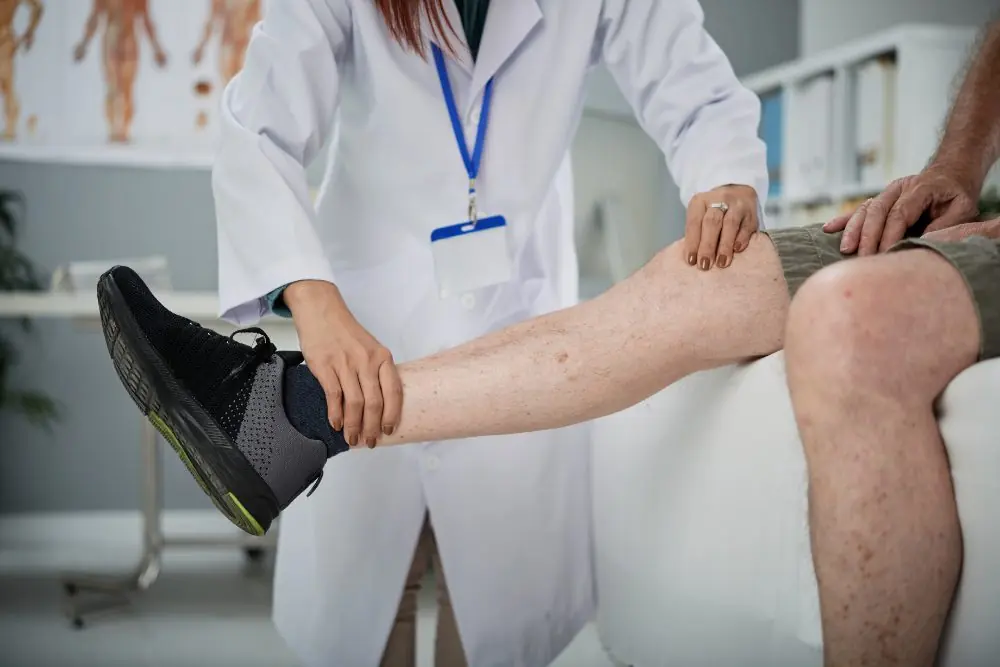
Restoring stability so your ankle stops giving way.
Ankle Stability
Ligament Repair
Return to Sports
Long-Term Joint Health
You step off a curb, land awkwardly, and feel your ankle twist. The pain settles after a few days, so you move on. Then it happens again.
Maybe while walking on uneven ground. Maybe during a workout. Maybe while simply turning too quickly. Over time, the ankle starts feeling unreliable. You become cautious. Running becomes difficult. Sports feel risky. Even daily activities can make you wonder if the ankle will suddenly give way again.
If this sounds familiar, there may be more than a simple sprain involved. At Kindle Clinic, Dr. Kiran Reddy Chennuri regularly sees patients who thought they had “just twisted their ankle” months ago, only to discover that the ligaments never healed properly.
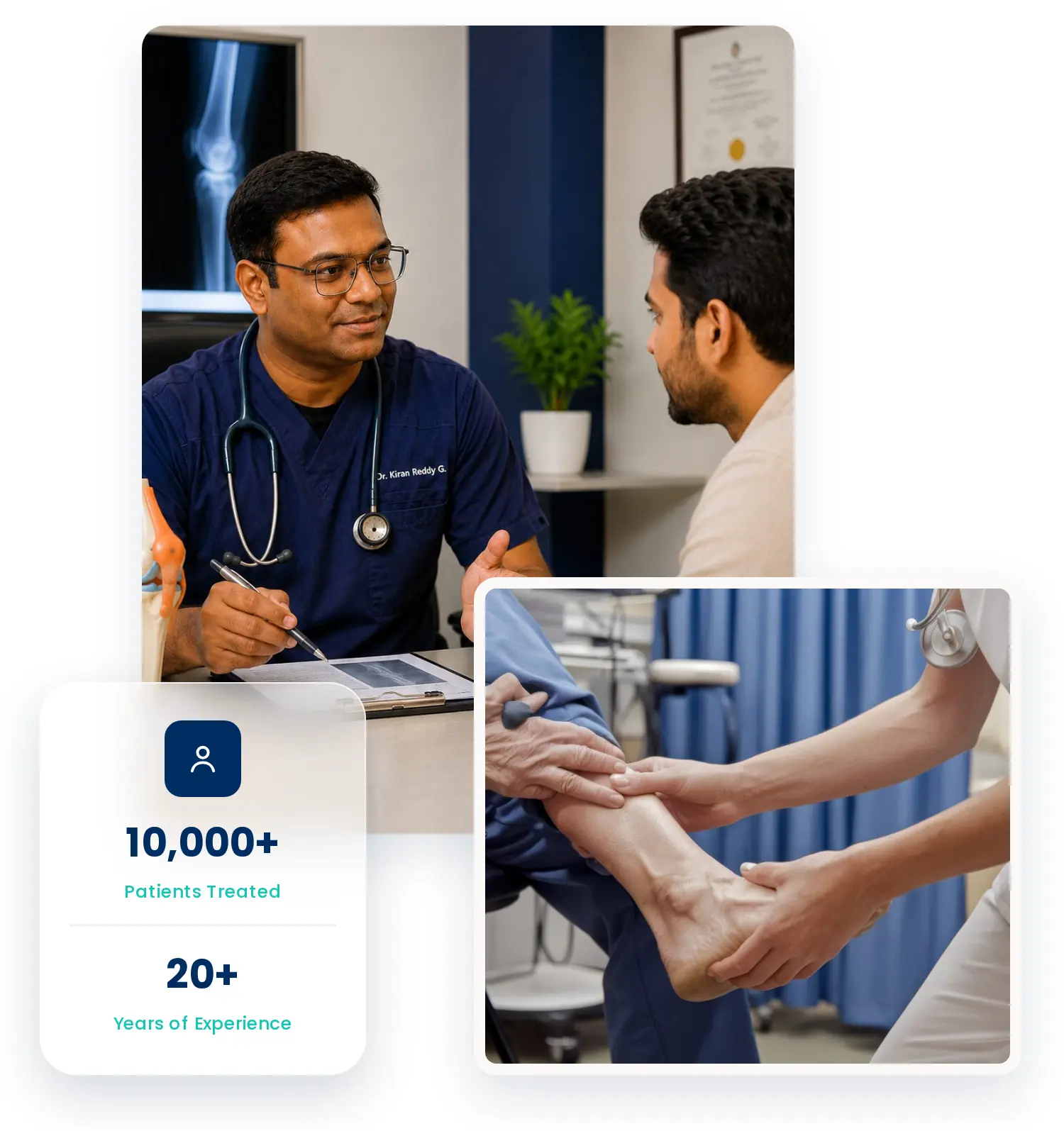
At Kindle Clinics, ankle ligament injuries are evaluated and treated by Dr. Kiran Reddy Chennuri, MCh Orthopaedics (UK), a specialist in Sports Medicine and Arthroscopic Surgery
He is a member of the Indian Cartilage Society
His approach focuses on restoring ankle stability, preserving joint health, and helping patients return safely to their desired level of activity
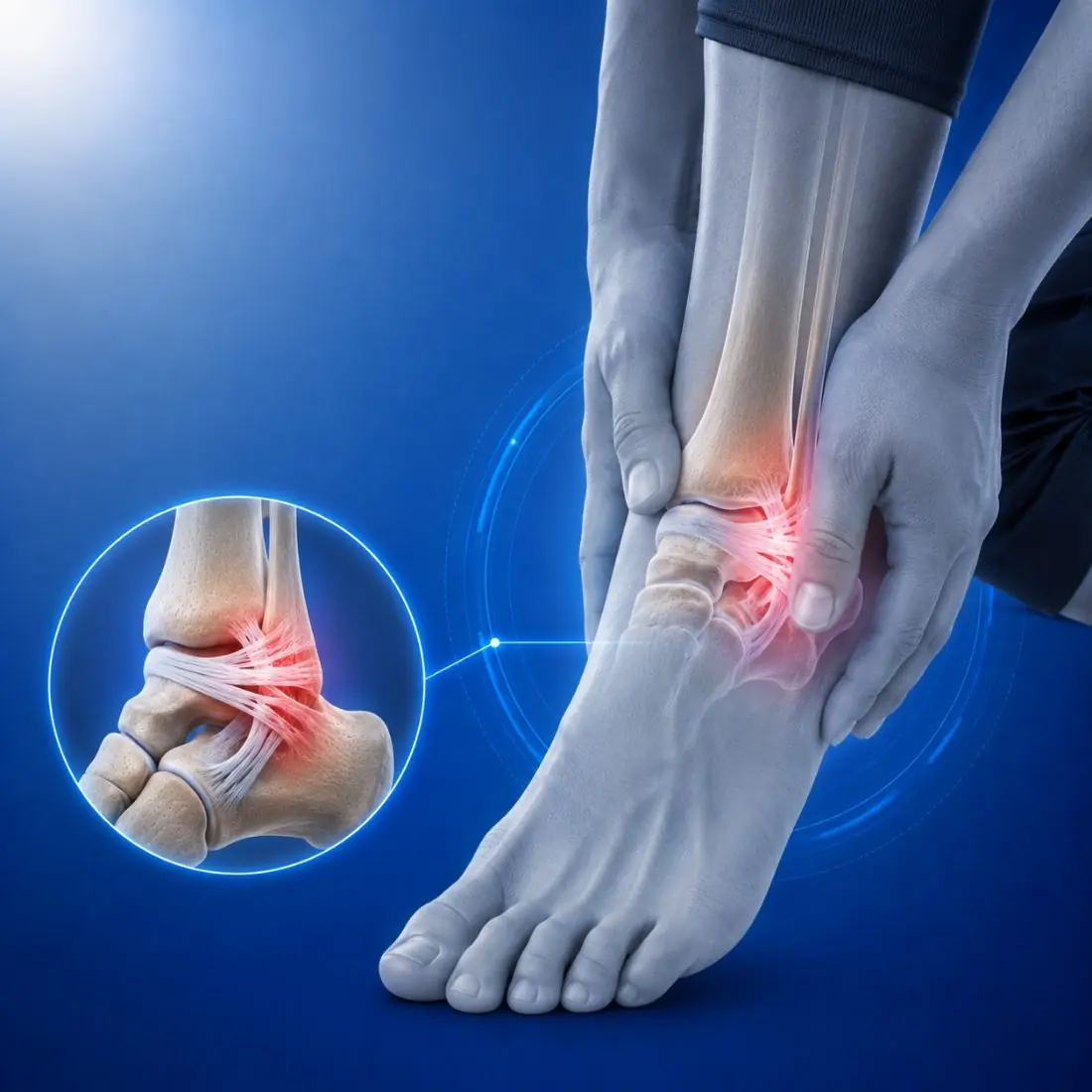
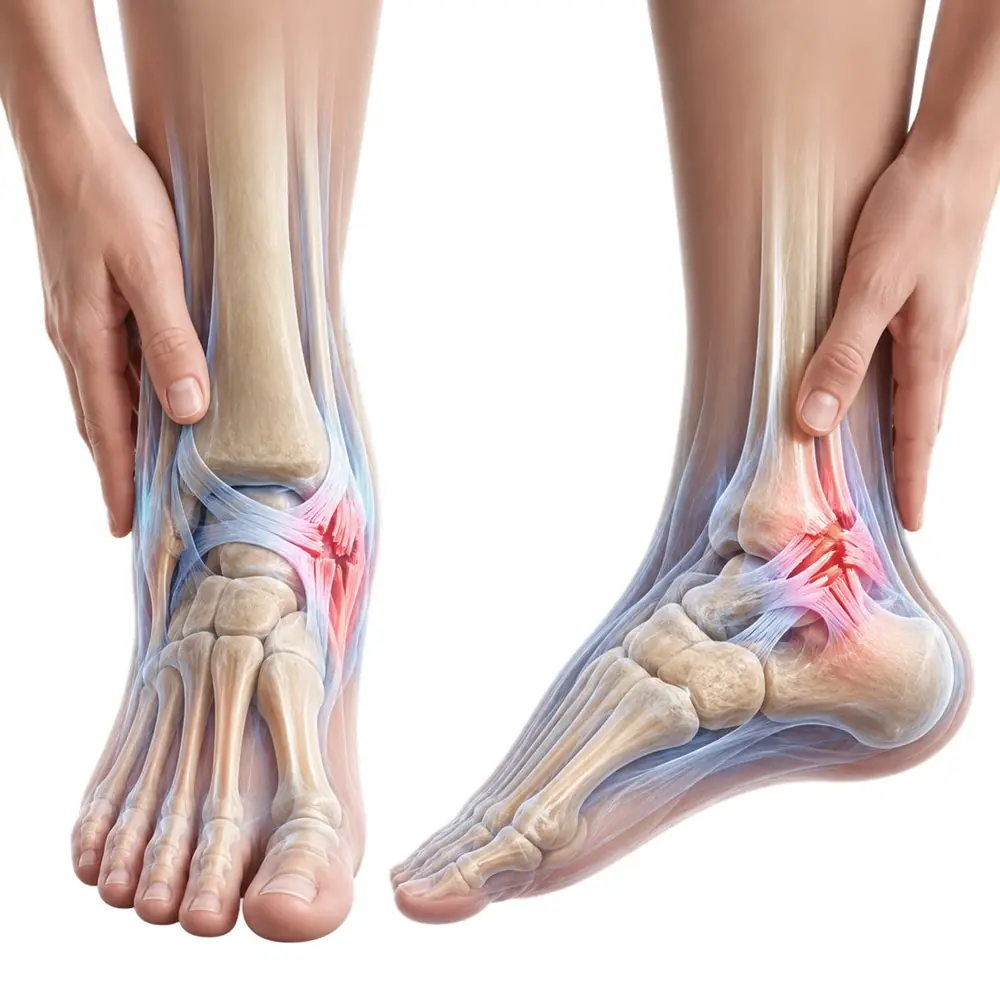
Ligaments are strong bands of tissue that connect bones and help keep joints stable. Your ankle contains several ligaments that prevent excessive movement and support balance while walking, running, or changing direction.
When the ankle twists beyond its normal range, one or more ligaments can stretch, partially tear, or completely rupture. Some injuries heal well with proper treatment. Others can lead to ongoing instability, repeated sprains, pain, and difficulty returning to normal activities.
When significant instability remains despite rehabilitation, Ankle Ligament Reconstruction in Hyderabad may be considered to restore stability and function.
ANKLE LIGAMENTS
Strong Bands of Tissue That Keep the Joint Stable
An ankle ligament injury does not always look dramatic. Some people can walk immediately after the injury, while others struggle to put weight on the foot. Common symptoms include:
Pain around the ankle
Swelling & bruising
Tenderness when touching the injured area
Difficulty walking
A feeling that the ankle is unstable
Repeated ankle sprains
Weakness during sports activities
Trouble walking on uneven surfaces
The ankle “giving way” unexpectedly
If symptoms persist for weeks or keep returning, or the ankle feels particularly unstable when walking on uneven ground, grass, slopes, or other rough terrain, it is worth having the ankle evaluated by a specialist.
Most injuries occur when the foot rolls inward suddenly. Common causes include:
Sports injuries
Running on uneven ground
Sudden changes in direction
Missing a step while walking downstairs
Landing awkwardly after a jump
Road traffic accidents
Falls
Certain factors can increase the risk of recurring injuries:
Many ankle sprains improve with rest, ice, compression, and rehabilitation. However, you should consider seeing a specialist if:
Pain persists beyond a few weeks
Swelling keeps returning
The ankle repeatedly twists or gives way
Walking remains difficult
Sports activities are limited
You hear or feel a popping sensation during injury
You cannot bear weight comfortably
Symptoms return after initial improvement
A detailed evaluation can help determine whether the ligaments have healed properly or whether additional treatment is needed.
“My ankle sprain happened months ago, but it still doesn’t feel normal.”
This is one of the most common things patients tell Dr. Kiran Reddy Chennuri. Others arrive after multiple injuries and want to know whether surgery is inevitable. The consultation is designed to answer those questions clearly.
Dr. Kiran first discusses: how the injury occurred, whether previous ankle injuries have happened, activities that trigger pain or instability, current limitations in work, exercise, or sports, and previous treatments and rehabilitation attempts.
The physical examination focuses on ankle stability, range of motion, swelling, tenderness, strength, and balance. When necessary, imaging studies such as X-rays or MRI scans may be recommended to confirm ligament damage and identify associated injuries.
Associated injuries and chronic ankle instability
In some patients, chronic ankle instability is associated with additional problems such as peroneal tendon injuries, ankle impingement, or osteochondral lesions of the talus (OLT). These conditions may contribute to persistent pain and can influence treatment recommendations. In selected cases, ankle arthroscopy may be performed alongside ligament reconstruction to address associated intra-articular problems.
Patients often worry that surgery will be recommended immediately. That is rarely how decisions are made. The first goal is understanding why the ankle remains painful or unstable and whether non-surgical treatment can still help.
The goal is not simply to repair a ligament. The objective is to restore normal ankle biomechanics along with stability, helping the joint move, load, and function more naturally during daily activities and sports. Restoring biomechanics is important not only for preventing the ankle from giving way but also for protecting the joint from future damage.
Not every ligament injury requires surgery. Treatment depends on several factors:
Severity of the injury
Duration of symptoms
Level of instability
Daily activity demands
Sports participation goals
Response to previous treatment
Dr. Kiran believes treatment should match the patient's actual needs rather than following a one-size-fits-all approach.
Non-Surgical Treatment
Many patients improve with conservative care. In the early phase after a significant ligament injury, immobilisation is often an important part of treatment. Many patients benefit from wearing a cast or protective immobilisation device for approximately three weeks, allowing the injured ligaments to heal properly before rehabilitation begins.
Treatment may include:
Biologic Treatment — ACP (Autologous Conditioned Plasma)
In moderate cases that were not treated adequately during the initial injury, biologic treatments such as ACP may sometimes be considered alongside a period of immobilisation. This combination may help support the natural healing response of damaged ligaments in carefully selected patients.
Collagen Supplementation
Collagen supplementation may also be recommended as part of a broader recovery strategy. While supplements cannot repair a torn ligament on their own, they may help support the body’s healing process when combined with appropriate rehabilitation and medical treatment.
Patients who have not completed a structured rehabilitation program are often encouraged to do so before considering surgery.
Some ankles continue to feel unstable despite appropriate rehabilitation. Signs that additional intervention may be needed include:
In these situations, further evaluation helps determine whether surgical reconstruction may provide better long-term stability.
Some patients learn to live with repeated ankle sprains and assume the problem is simply part of being active. However, chronic ankle instability can gradually lead to additional joint damage over time. Potential consequences include:
Early treatment can often prevent these secondary problems and help preserve long-term ankle function.
Ankle Ligament Reconstruction in Hyderabad is usually considered when:
Chronic ankle instability is present
Multiple ankle sprains continue to occur
Physiotherapy has not solved the problem
Daily activities remain affected
Athletic performance is limited
Imaging confirms significant ligament damage
The goal is not simply to repair a ligament. The goal is to restore stability so that patients can move confidently again.
During consultation, Dr. Kiran explains:
This helps patients make informed decisions rather than feeling pressured toward an operation.
The exact procedure depends on the pattern of ligament damage, the quality of the remaining ligament tissue, activity goals, and the presence of associated injuries. Depending on the clinical situation, ligament reconstruction may involve:
OPTION 1
Anatomic ligament repair
OPTION 2
Augmented ligament repair using internal bracing techniques
OPTION 3
Ligament reconstruction using graft tissue when native ligaments are not suitable for repair
OPTION 4
Combined arthroscopic procedures when associated with cartilage damage, impingement, or intra-articular pathology is present
The surgical approach is individualised after careful assessment and discussion with the patient.
Recovery is gradual. Most patients progress through several stages:
Early Recovery
Protection of the ankle • Swelling control • Limited weight-bearing as advised
Rehabilitation Phase
Range-of-motion exercises • Strengthening exercises • Balance training • Functional rehabilitation
Return to Activities
The timeline varies depending on: severity of injury, surgical technique, individual healing response, and activity goals.
Returning too quickly can increase the risk of setbacks, which is why rehabilitation remains a critical part of recovery.
Although recovery varies between individuals, many patients remain in a protective boot or brace during the initial healing period. Structured physiotherapy typically begins during the early stages of recovery and progresses gradually over several months.
Many patients return to routine daily activities within 6 to 8 weeks, while return to running, sports, and higher-demand activities may take 4 to 6 months depending on the procedure performed, healing progress, and rehabilitation milestones.
Dr. Kiran Reddy Chennuri
MCh Orthopaedics (UK) • Sports Medicine & Arthroscopic Surgery
Dr. Kiran Reddy Chennuri holds an MCh in Orthopaedics (UK) and has extensive experience managing sports injuries, ligament injuries, and arthroscopic procedures. As a member of the Indian Cartilage Society, he places strong emphasis on preserving joint health and preventing long-term damage whenever possible.
Patients often appreciate straightforward answers. Rather than focusing only on MRI findings, the discussion centers on how the injury affects daily life, work, exercise, and long-term mobility. That practical decision-making process helps patients feel more confident about their treatment choices.
For those seeking Ankle Ligament Injuries Treatment in Hyderabad, the emphasis is Treatment for Ankle Ligament Injuriesexpectations, and choosing the right treatment at the right time.
For those seeking Ankle Ligament Injuries Treatment in Hyderabad, the emphasis is on understanding the underlying problem, setting realistic expectations, and choosing the right treatment at the right time.

What exactly is injured
Whether the ankle is truly unstable
Which treatments are likely to help
When surgery should be avoided
When surgery becomes the better option
Dr. Kiran spends time helping patients understand each of these before any decision is made.
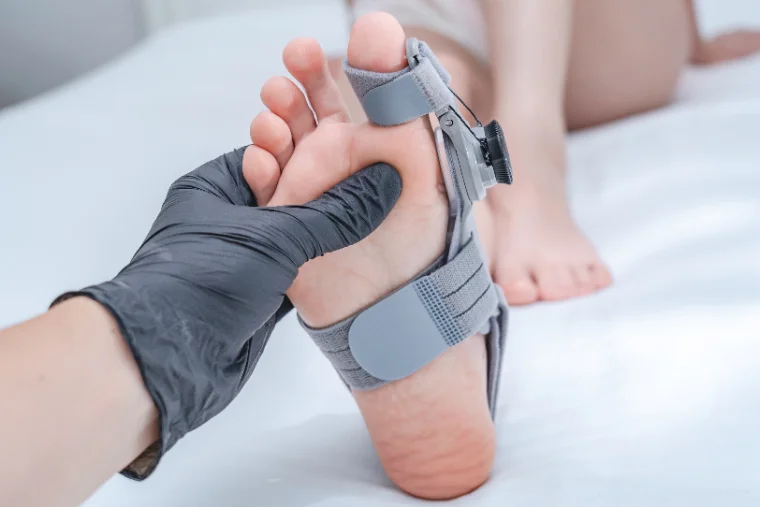
A recurring ankle injury is not something you have to simply live with. If your ankle keeps giving way, remains painful, or prevents you from returning to the activities you enjoy, it may be time for a proper evaluation.

At Kindle Clinic, Dr. Kiran Reddy Chennuri can help determine whether rehabilitation, bracing, or Ankle Ligament Reconstruction in Hyderabad is the most appropriate next step. Early assessment often prevents months of frustration and helps you move forward with confidence.
Patients looking for Ankle Ligament Injuries Treatment in Hyderabad frequently discover that understanding the real cause of their symptoms is the first step toward lasting recovery.
To schedule a consultation with Dr. Kiran Reddy Chennuri, call 9000-022-004 or connect with Kindle Clinics via WhatsApp.
A detailed evaluation can help determine whether rehabilitation, biologic treatment, bracing, or ligament reconstruction is the most appropriate next step for your recovery.
Take the first step back to a stable, confident ankle
Share your details and our team will call you back within 24 hours to schedule your consultation.
Prefer to talk now?
Your details stay private — no spam, ever.