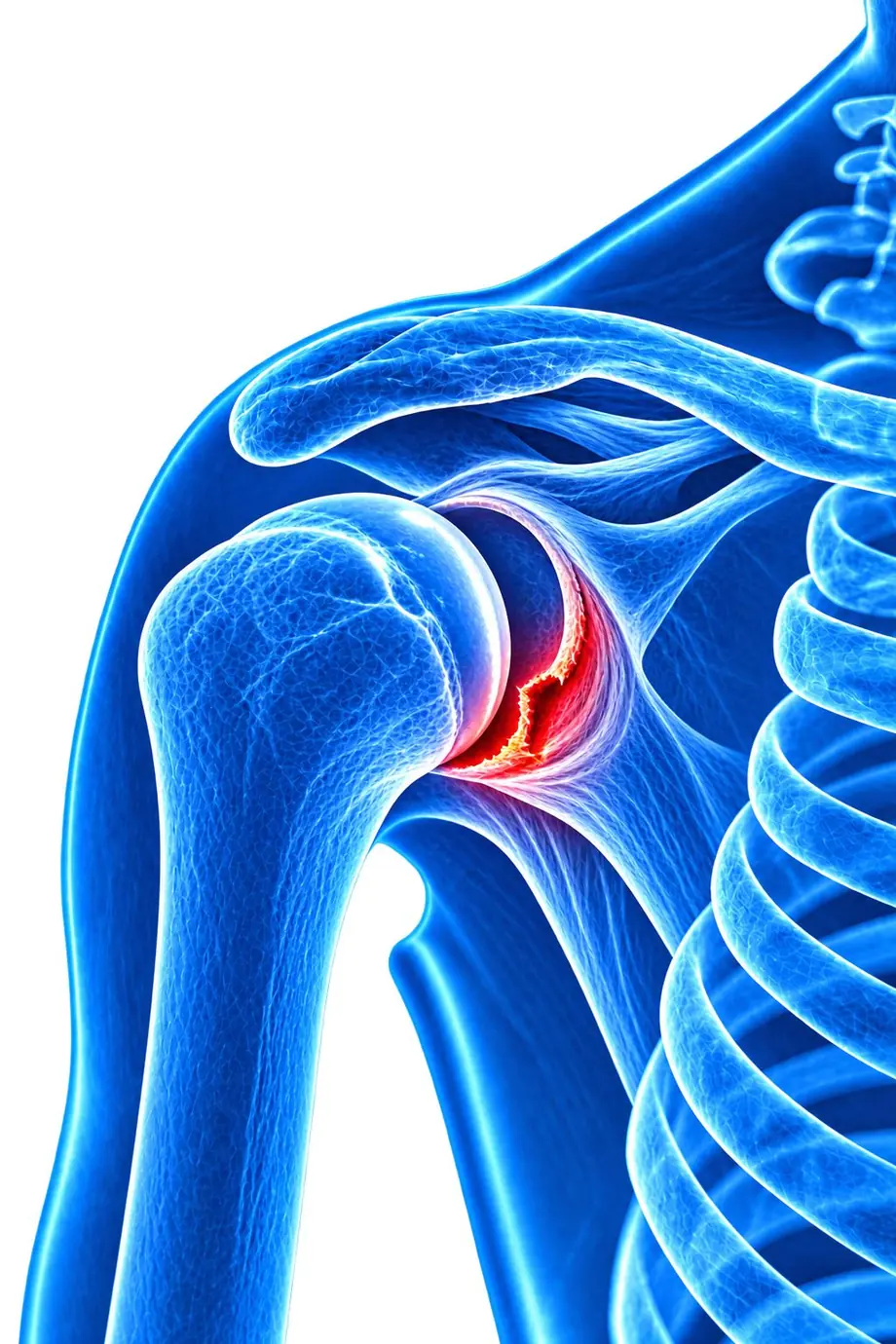
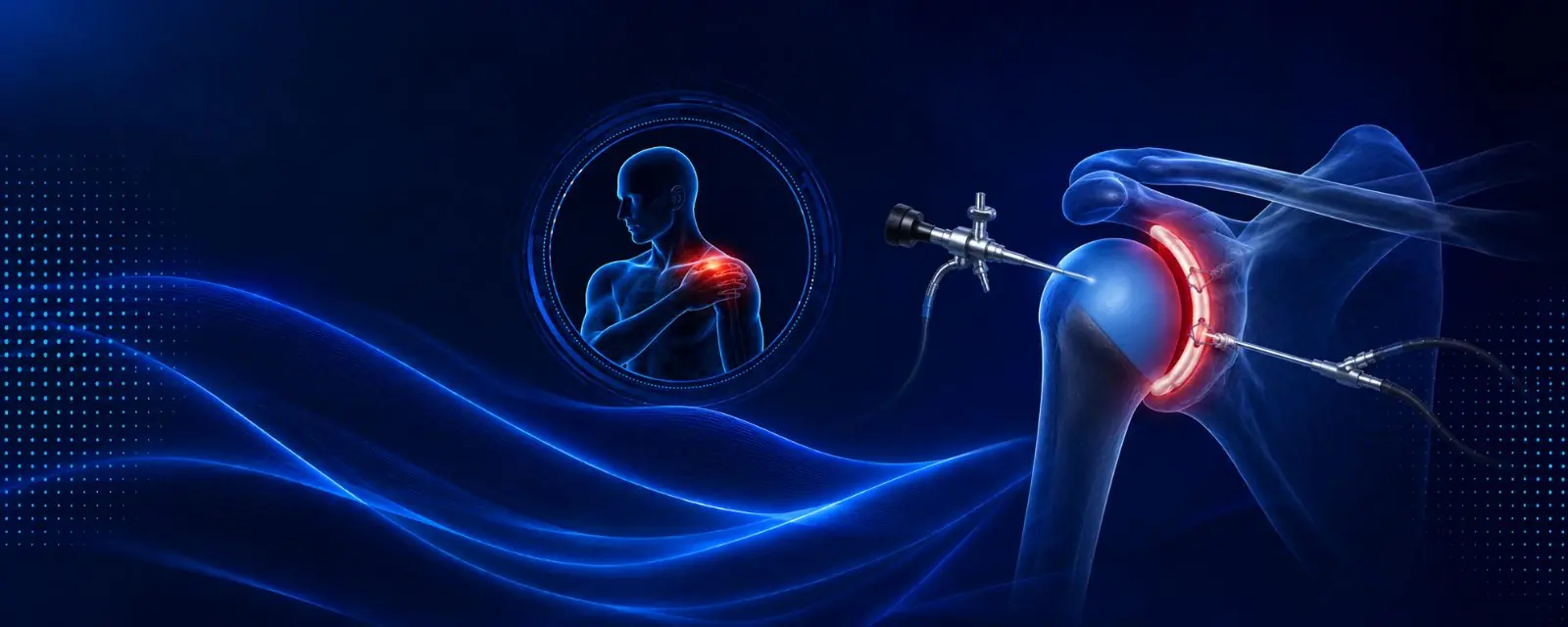
Illustration of a shoulder joint with an arthroscope, the torn labrum highlighted in red

Bankart Repair Surgery in Hyderabad

Restoring shoulder stability and the confidence to move freely again.

Shoulder Stability

Labrum Repair

Return to Sports

Long-Term Joint Health

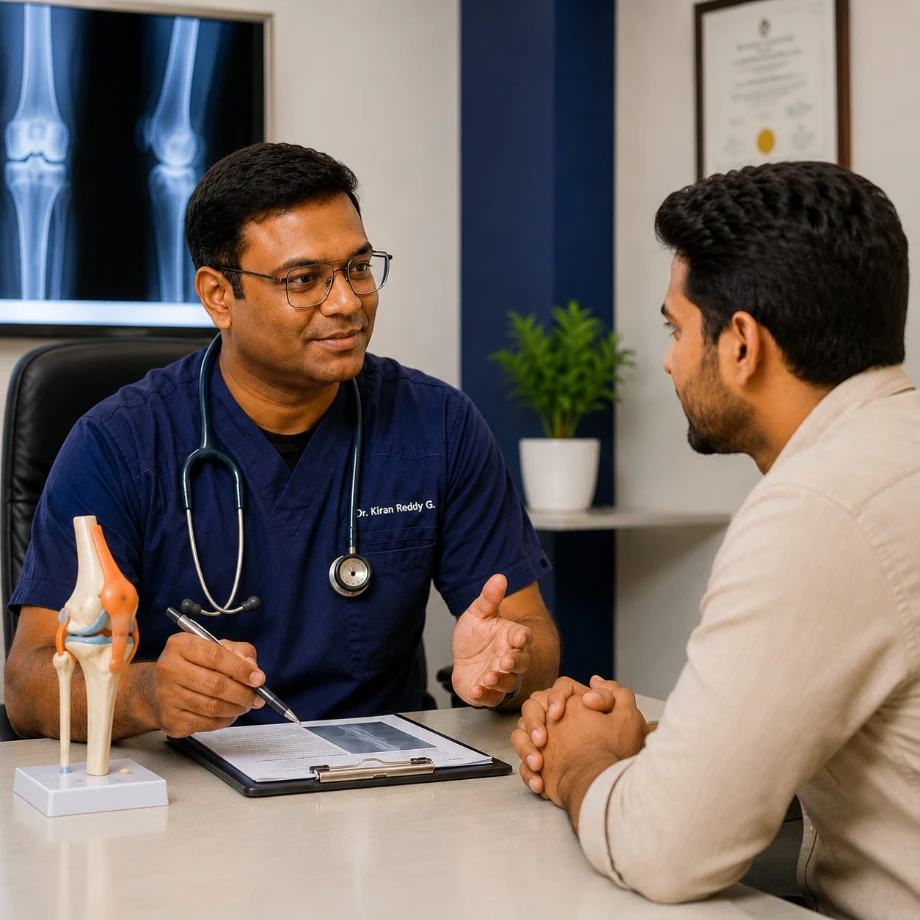
Dr. Kiran Reddy Chennuri talking with a patient during a consultation at Kindle Clinics
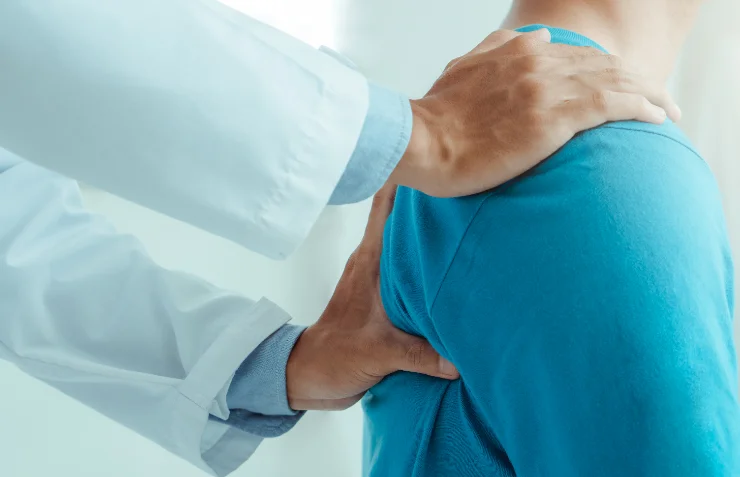
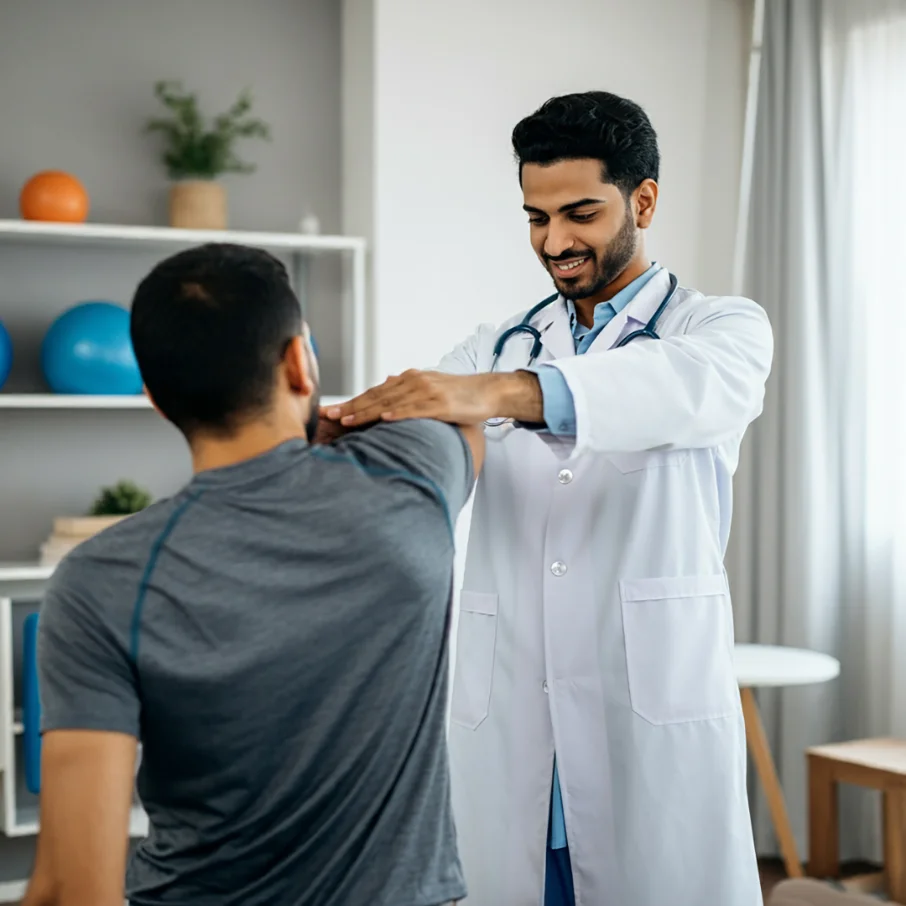
Doctor's hand resting on a patient's shoulder during an examination

10,000+

Patients Treated

20+

Years of Experience

Kindle Clinics joint care badge

Does Your Shoulder Feel Like It Could
Slip Out at Any Moment?

Many people experience this feeling after a shoulder dislocation. Even after the pain settles, the shoulder may not feel normal.

You may hesitate to throw a ball, lift weights, play sports, or even reach overhead because you worry the shoulder will dislocate again. In many cases, this happens because of a Bankart lesion — a tear in the labrum, the ring of cartilage that surrounds the shoulder socket and helps keep the joint stable. When this tissue tears, the shoulder can become loose and prone to repeated dislocations.

At Kindle Clinics, Dr. Kiran Reddy Chennuri often sees patients who have stopped trusting their shoulder after one or more dislocations. The goal of treatment is not just to repair a torn structure. It is to restore shoulder stability so you can return to daily life, work, fitness, and sports with confidence. When repeated dislocations continue to affect your quality of life, Bankart Repair Surgery in Hyderabad may be the most effective solution.

Bankart repair procedures at Kindle Clinics are performed by Dr. Kiran Reddy Chennuri, MCh Orthopaedics (UK), a specialist in Sports Medicine and Arthroscopic Shoulder Surgery

He is a member of the Indian Cartilage Society

His treatment philosophy focuses on restoring stability, preserving joint health, and helping patients return safely to work, fitness, and sports activities

Dr. Kiran Reddy Chennuri talking with a patient during a consultation at Kindle Clinics
Doctor's hand resting on a patient's shoulder during an examination
Kindle Clinics joint care badge

10,000+

Patients Treated

20+

Years of Experience

What Is a Bankart Lesion?

The shoulder is the most mobile joint in the body. That flexibility allows you to move your arm in many directions, but it also makes the shoulder more vulnerable to instability.

The labrum acts like a soft rim around the shoulder socket. It helps hold the ball of the upper arm bone in place. When the shoulder dislocates, this labrum can tear away from the socket. This injury is called a Bankart lesion.

Once the labrum is damaged, the shoulder may not stay as stable as before. Some people experience repeated dislocations, while others notice a constant feeling that the shoulder is loose or may slip out.

Man holding his painful shoulder, a common sign of a Bankart lesion after dislocation

BANKART LESION

A Tear in the Labrum Surrounding the Shoulder Socket

Common Symptoms of a Bankart Lesion

Symptoms often begin after a shoulder dislocation. You may experience:

Shoulder pain

A feeling of instability

Repeated shoulder dislocations

Weakness in the shoulder

Clicking or catching sensations

Difficulty during sports or overhead activities

Fear of certain shoulder movements

Some patients describe it as feeling like the shoulder is “not sitting properly” in the joint.

What Causes a Bankart Lesion?

A Bankart lesion usually occurs when the shoulder is forced out of its socket. Common causes include:

Sports injuries

Falls

Road traffic accidents

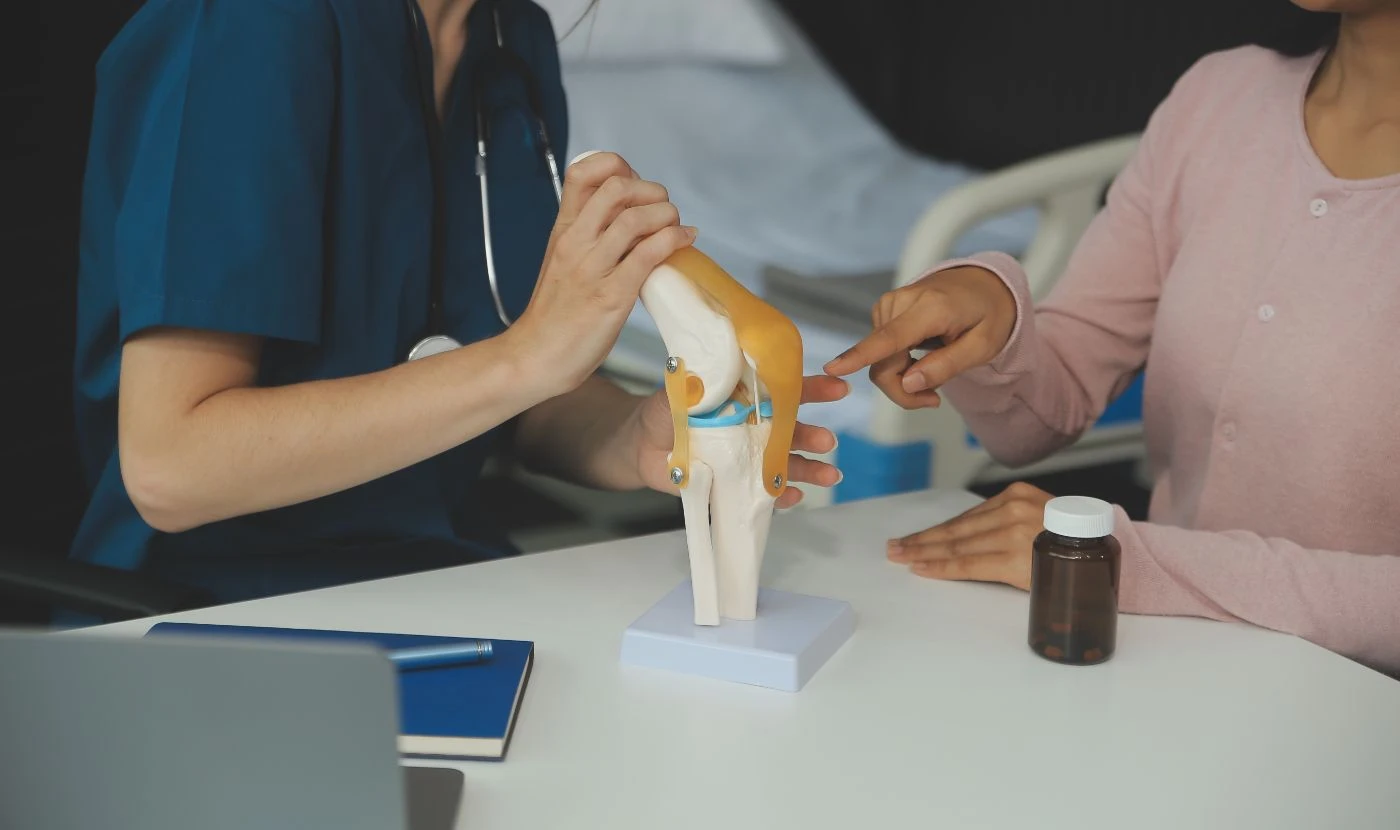
Illustration of the shoulder joint with a tear in the labrum at the front of the socket

Direct trauma to the shoulder

Sudden twisting injuries

Young athletes and active individuals are particularly vulnerable because they place greater demands on the shoulder joint.

Kindle Clinics joint care badge

Can All Labral Tears Be Treated The Same Way?

Not all labral injuries occur in the same location within the shoulder. While a Bankart lesion affects the lower front portion of the labrum, another common injury is a SLAP lesion (Superior Labrum Anterior to Posterior tear).

Bankart Lesion

Affects the lower front portion of the labrum. It usually occurs when the shoulder is forced out of its socket, leaving the joint loose and prone to repeated dislocations.

SLAP Lesion

Occurs at the top of the labrum where the biceps tendon attaches to the shoulder socket. These injuries are more commonly seen in overhead athletes, throwing sports participants, and individuals performing repetitive overhead activities.

Symptoms of a SLAP lesion may include:

Clinical examination, MRI scans, and MR arthrogram studies help differentiate SLAP lesions from Bankart lesions. Treatment depends on the type of tear, patient age, activity demands, and the degree of instability present.

When Do You Need Bankart Repair Surgery?

Not every Bankart lesion requires surgery.

Some patients improve with rest, physiotherapy, and activity modification, especially after a first-time dislocation. However, surgery becomes more important when the shoulder continues to dislocate or feels unstable despite conservative treatment.

Bankart Repair Surgery in Hyderabad may be recommended if:

Your shoulder has dislocated more than once

Physiotherapy has not restored stability

Daily activities are affected

You want to return to sports safely

Imaging confirms a significant Bankart lesion

At Kindle Clinics, Dr. Kiran Reddy Chennuri does not make treatment decisions based on MRI findings alone. A scan is only one part of the picture. Your age, activity level, occupation, sports participation, and history of instability all help determine the right treatment plan.

After a first-time shoulder dislocation, the shoulder is often immobilised in a sling for approximately three weeks to allow injured tissues to heal and to help reduce the risk of recurrent instability. This period is usually followed by a structured rehabilitation programme focused on restoring movement, strength, and shoulder control.

Biologic treatments may support healing in selected patients.

Smaller labral injuries and carefully selected cases may sometimes be managed without surgery. Depending on the nature of the injury, biologic treatments such as ACP (Autologous Conditioned Plasma) and other regenerative medicine approaches may be considered to support the body’s healing response.

These treatments are generally reserved for suitable partial tears or lower-grade injuries and are not appropriate for every patient. Significant instability, recurrent dislocations, and major structural injuries often require surgical stabilisation.

How Is a Bankart Lesion Diagnosed?

The first step is understanding how the injury happened and how it affects your daily life. During your consultation, Dr. Kiran carefully evaluates your symptoms, previous dislocations, shoulder movement, and stability.

Diagnosis may involve:

Medical History & Examination

Medical history, physical examination, and shoulder stability tests.

X-rays

To assess the bones of the shoulder joint.

MRI & MR Arthrogram

MRI scan, with MR arthrogram when needed.

These tests help confirm the diagnosis and identify any additional injuries that may influence treatment.

Doctor checking a patient's shoulder stability during a physical examination

Assessing Bone Loss and Complex Shoulder Instability

Not every case of shoulder instability is identical. In some patients with recurrent dislocations, significant bone loss may develop on the shoulder socket (glenoid) or the humeral head (Hill-Sachs lesion).

These factors can influence the risk of recurrent instability and may affect treatment planning.

Careful evaluation of bone loss helps determine whether:

A standard arthroscopic Bankart repair is appropriate

OR

Additional stabilisation procedures may need to be considered

Arthroscopic Bankart Repair in Hyderabad

Today, most Bankart lesions can be treated using minimally invasive arthroscopic techniques.

During Arthroscopic Bankart repair in Hyderabad, Dr. Kiran uses a small camera called an arthroscope to examine the inside of the shoulder joint through tiny incisions. The torn labrum is then repaired and reattached to the shoulder socket using specialised anchors and sutures.

Modern arthroscopic Bankart repair techniques may involve knotless or knotted suture anchors, depending on the injury pattern and surgeon preference. In selected cases, capsular plication may also be performed to tighten stretched tissues and improve overall shoulder stability.

Because the procedure is performed through small incisions, patients avoid the larger cuts associated with traditional open surgery.

Benefits of Arthroscopic Bankart Repair in Hyderabad

Benefits include:

Smaller incisions

Less damage to surrounding tissues

Better visualisation of the joint

Less postoperative discomfort

Faster rehabilitation

Smaller scars

The goal is simple. Restore stability while preserving normal shoulder movement.

What Happens During Surgery?

The procedure is performed under anaesthesia.

After examining the shoulder joint, the damaged labrum is identified and prepared for repair. Small anchors are placed into the bone, and sutures are used to secure the torn tissue back to its normal position.

Once the repair is complete, shoulder stability is assessed before the procedure is finished.

The surgery focuses on repairing the source of instability rather than simply treating symptoms.

Recovery After Bankart Repair Surgery

One of the most common questions patients ask is, “When can I get back to normal?”

Recovery takes time because the repaired labrum must heal securely to the shoulder socket. You will usually wear a sling after surgery to protect the repair. During the first few weeks, the focus is on healing and preventing excessive stress on the shoulder. As recovery progresses, physiotherapy helps restore movement, strength, and stability.

At Kindle Clinics, recovery plans are tailored to each patient. An office worker, a gym enthusiast, and a competitive athlete all place different demands on their shoulders. Their rehabilitation plans should reflect those differences.

A common mistake after surgery is returning to sports too early because the shoulder feels better. Healing inside the joint continues even after pain improves. Following rehabilitation instructions is essential for achieving the best result.

Although recovery varies between individuals, many patients wear a sling for several weeks after surgery before progressing through a structured physiotherapy programme. Light daily activities are often resumed gradually during the early recovery period, while return to gym training, contact sports, overhead sports, and competitive athletics typically requires several months of rehabilitation. Many athletes return to sport between 4 and 6 months after surgery, depending on healing progress and sport-specific demands.

The ultimate goal is not just to heal the labrum. It is to help you regain confidence in your shoulder.
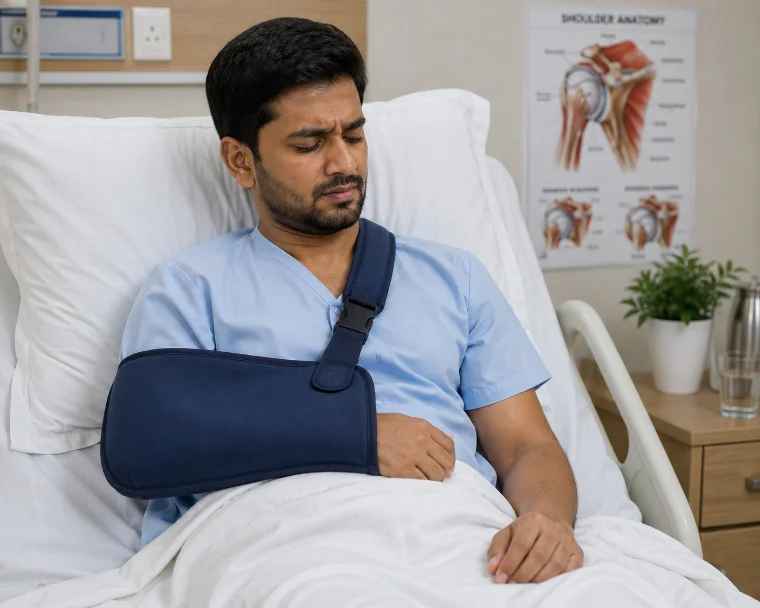
Patient resting in a hospital bed with his arm in a shoulder sling after surgery

Benefits of Bankart Repair Surgery

When performed for the right reasons, Bankart Repair Surgery in Hyderabad can:

Reduce the risk of future dislocations

Improve shoulder stability

Restore function

Increase confidence during activities

Support a return to sports

Improve overall quality of life

Many patients report that the biggest benefit is no longer worrying about their shoulder slipping out during everyday activities.

Helps protect the shoulder from long-term cartilage damage and instability-related arthritis

Repeated shoulder dislocations can progressively damage cartilage and other stabilising structures within the joint. By restoring stability, timely Bankart repair may help reduce ongoing joint damage and support long-term shoulder health. This reflects Dr. Kiran’s joint-preservation philosophy whenever appropriate.

Dr. Kiran Reddy Chennuri, MCh Orthopaedics (UK), shoulder and sports medicine surgeon at Kindle Clinics

Dr. Kiran Reddy Chennuri

MCh Orthopaedics (UK) • Sports Medicine & Arthroscopic Shoulder Surgery

Why Choose Dr. Kiran Reddy Chennuri for Bankart Repair Surgery In Hyderabad?

Shoulder instability is not the same for every patient. A young athlete who wants to return to competitive sports has different goals from someone who simply wants to work comfortably and sleep without shoulder pain.

Dr. Kiran Reddy Chennuri holds an MCh in Orthopaedics (UK) and has extensive experience managing shoulder instability, sports injuries, and advanced arthroscopic procedures. His expertise includes the evaluation and treatment of labral injuries, recurrent dislocations, and complex instability patterns.

As a member of the Indian Cartilage Society, he remains committed to evidence-based treatment strategies that focus on preserving joint health while restoring shoulder function.

Dr. Kiran Reddy Chennuri takes the time to understand those goals before recommending treatment. His approach combines detailed evaluation, advanced arthroscopic techniques, and structured rehabilitation planning.

At Kindle Clinics, treatment does not end after surgery. Patients receive guidance throughout recovery to help them return to their desired level of activity safely and confidently.

Book a Consultation

If shoulder instability, repeated dislocations, or a persistent feeling that your shoulder may slip out is affecting your confidence, work, fitness, or sporting activities, an early specialist assessment can help identify the underlying problem and prevent further damage.

At Kindle Clinics, Dr. Kiran Reddy Chennuri carefully evaluates each patient before recommending treatment. Whether rehabilitation, biologic therapy, or Bankart Repair Surgery in Hyderabad is appropriate, the goal is always to restore stability while preserving long-term shoulder health.

To schedule a consultation, call 9000-022-004 or connect with Kindle Clinics via WhatsApp.

Take the first step back to a stable, confident shoulder

Share your details and our team will call you back within 24 hours to schedule your consultation.

Prefer to talk now?

Your details stay private — no spam, ever.

Frequently Asked Questions

No. Some patients recover with physiotherapy and activity modification. Surgery is usually considered when instability continues or dislocations recur.

Many Bankart lesions can be treated successfully using arthroscopic techniques. The most suitable approach depends on the nature of the injury.

A torn labrum does not always heal completely on its own. Some patients remain stable with non-surgical treatment, while others continue to experience instability.

Many patients return to sports after successful surgery and rehabilitation. The timing depends on healing, strength, and shoulder stability.

Bankart repair significantly reduces the risk of future dislocations. However, no procedure can completely eliminate the possibility, especially after major trauma or high-risk activities.

Dr. Kiran Reddy Chennuri's Kindle Clinics

Book An Appointment

Dr. Kiran Reddy Chennuri's Kindle Clinics

Contact Us