Rotator Cuff Repair Surgery in Hyderabad
Restoring shoulder strength, movement, and everyday comfort.
Shoulder Strength
Tendon Repair
Return to Activity
Long-Term Shoulder Health
10,000+
Patients Treated
20+
Years of Experience
Shoulder Pain That Slowly
Takes Over Your Routine
Many patients who visit us at Kindle Clinics do not come because of a single injury. They come because shoulder pain has slowly taken over their routine.
They tell us they cannot comfortably lift their arm to put on a shirt, reach for objects on a shelf, or sleep through the night without shoulder pain waking them. Some have already tried rest, pain medications, or physiotherapy, but continue to struggle with weakness and restricted movement.
When a significant rotator cuff tear is responsible for these symptoms, Rotator Cuff Repair Surgery in Hyderabad may be the most effective way to restore shoulder function and reduce pain. Our focus is not simply on repairing a tendon. It is helping you return to the activities that matter in your daily life.
Rotator cuff treatment and surgery at Kindle Clinics is led by Dr. Kiran Reddy Chennuri, MCh Orthopaedics (UK), a specialist in Sports Medicine and Arthroscopic Shoulder Surgery
He is a member of the Indian Cartilage Society
His treatment philosophy focuses on preserving shoulder function whenever possible while helping patients return safely to daily activities, work, fitness, and sports
10,000+
Patients Treated
20+
Years of Experience
What Is the Rotator Cuff?
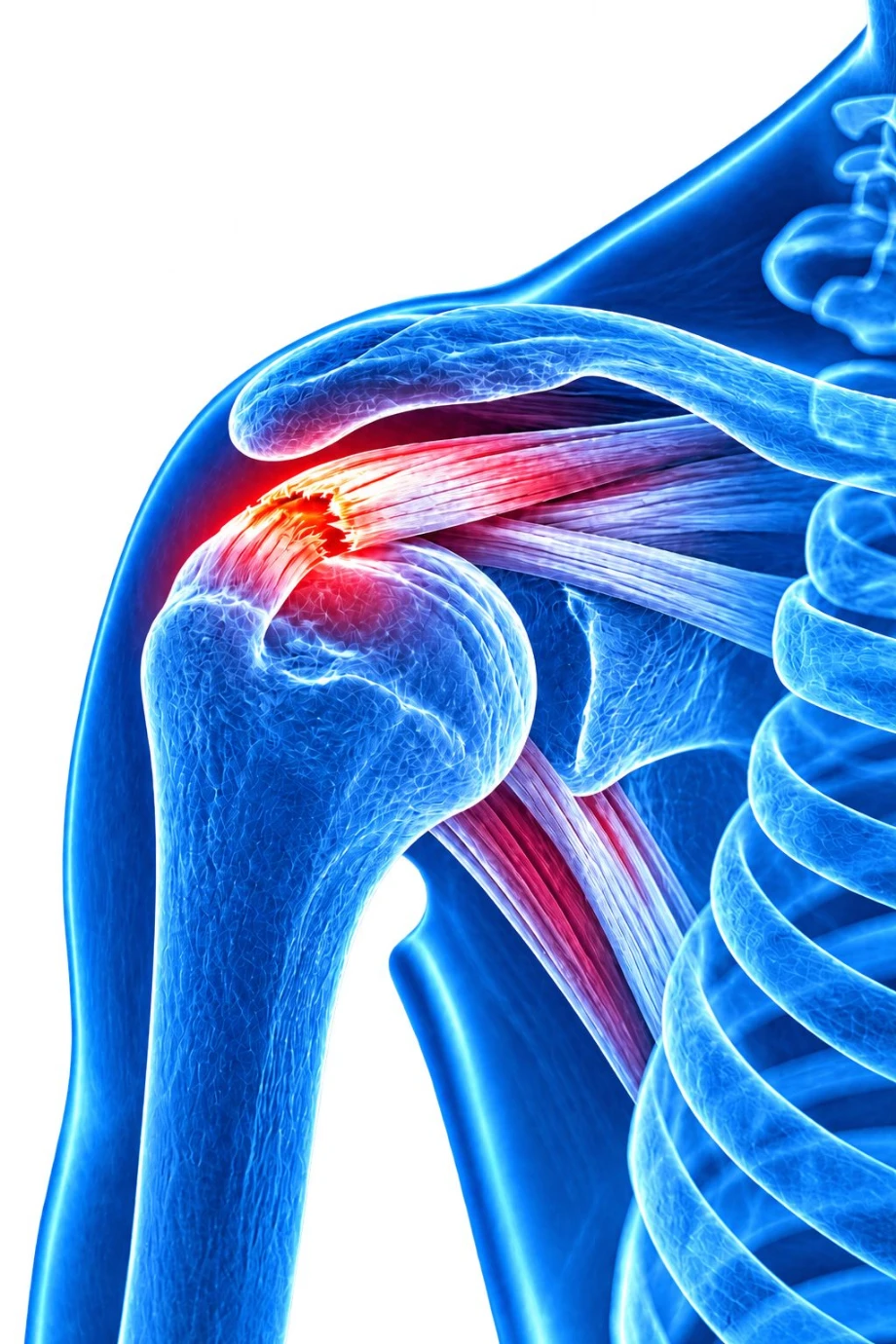
The rotator cuff is a group of muscles and tendons that surround the shoulder joint. These tendons help keep the upper arm bone firmly within the shoulder socket and allow smooth shoulder movement.
When one or more of these tendons become damaged or torn, shoulder function can be affected, leading to pain, weakness, and restricted movement.
ROTATOR CUFF
Muscles & Tendons Surrounding the Shoulder Joint
What Causes a Rotator Cuff Injury?
Rotator cuff injuries can develop in two main ways:
Acute Injury
A rotator cuff tear may occur suddenly after an injury, such as:
Falling on an outstretched arm
Lifting something heavy
Sudden forceful shoulder movement
Degenerative Wear and Tear
Many rotator cuff tears develop gradually over time. Repeated stress on the tendons and age-related tendon degeneration can increase the risk of injury. Factors that may contribute include:
Repetitive overhead arm movements
Occupations involving repeated shoulder use
Sports that require frequent overhead motions
Increasing age
Signs and Symptoms of a Rotator Cuff Tear
Symptoms can vary depending on the severity of the injury. Common signs include:
Dull aching pain deep in the shoulder
Difficulty sleeping on the affected side
Pain that worsens when lifting or rotating the arm
Weakness in the arm
Difficulty performing everyday activities involving shoulder movement
Shoulder pain gradually interferes with daily life
Many patients notice that shoulder pain gradually interferes with work, exercise, and routine daily tasks.
How Is a Rotator Cuff Tear Diagnosed?
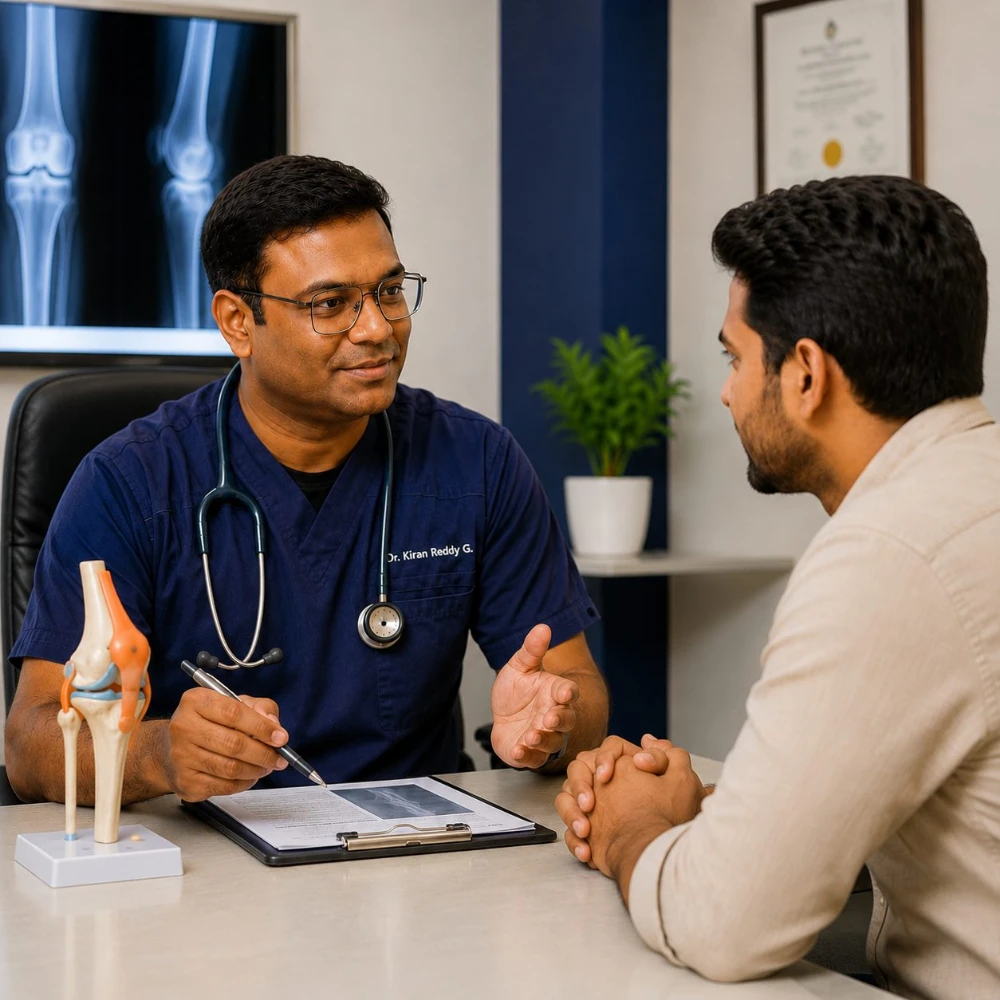
Accurate diagnosis begins with understanding how symptoms developed and how they affect everyday activities. During consultation, Dr. Kiran carefully evaluates shoulder movement, strength, pain patterns, and functional limitations.
Depending on the clinical findings, investigations may include:
X-rays
To assess bone structure and identify bone spurs.
Ultrasound
To evaluate tendon integrity and movement.
MRI Scans
To determine tear size, tendon quality, muscle condition, and associated injuries.
Imaging findings are always interpreted alongside clinical examination findings. Treatment decisions are not based on scans alone.
Understanding Rotator Cuff Tear Types
Not all rotator cuff tears are the same.
Treatment recommendations often depend on the size and severity of the tear.
Partial-Thickness Tears
These injuries affect only part of the tendon thickness. Many partial tears can be managed successfully with physiotherapy, activity modification, injections, or biologic treatments when appropriate.
Full-Thickness Tears
A full-thickness tear extends through the entire tendon and may cause significant weakness, pain, and loss of function. Larger tears are more likely to require surgical repair, particularly in active individuals.
Do All Rotator Cuff Tears Need Surgery?
No.
One of the most common concerns we hear from patients is whether a rotator cuff tear automatically means surgery.
In our practice, surgery is never the starting point. Every patient undergoes a detailed evaluation to assess the severity of the tear, the degree of weakness, and the extent to which the condition affects everyday life.
Many patients with partial-thickness tears improve without surgery.

However, surgery is required if:
The tendon has a significant tear
Symptoms persist despite non-surgical treatment
Shoulder weakness affects daily activities
Pain continues to limit function and quality of life
After a detailed clinical examination and imaging evaluation, our specialists determine whether Rotator Cuff Repair Surgery in Hyderabad is the right option for you.
Biologic treatments may support tendon healing in selected patients.
Depending on the nature of the injury, biologic treatments such as ACP (Autologous Conditioned Plasma) and other regenerative medicine approaches may be considered to support tendon healing in carefully selected patients.
These treatments are generally most useful in partial tears and early tendon degeneration. Large full-thickness tears, significant weakness, tendon retraction, and persistent functional limitations often require surgical repair.
How Does Rotator Cuff Repair Surgery Help?
A rotator cuff tear is more than a painful shoulder condition. It can gradually reduce your ability to use your arm normally.
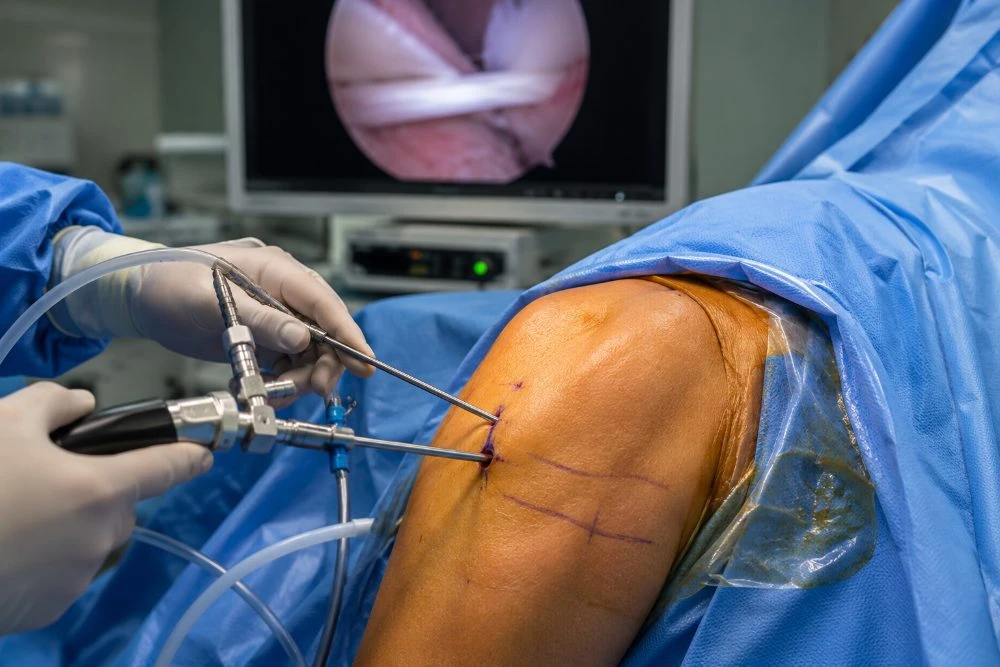
The purpose of Rotator Cuff Repair Surgery in Hyderabad is to repair the damaged tendon and restore the stability of the shoulder joint.
By addressing the source of the problem, the procedure aims to improve shoulder strength, movement, and day-to-day function.
Depending on the pattern of injury, rotator cuff surgery may involve additional procedures to address associated sources of pain and improve overall shoulder function.
Procedures That May Accompany Rotator Cuff Repair
Subacromial Decompression
In some patients, bone spurs or narrowing of the space above the rotator cuff can contribute to tendon irritation and impingement. Subacromial decompression involves creating additional space for the tendon and may be performed when impingement contributes to symptoms.
Biceps Tenotomy and Biceps Tenodesis
The long head of the biceps tendon is frequently involved in rotator cuff pathology. When the tendon becomes significantly damaged or painful, treatment may involve either a tenotomy (releasing the tendon) or tenodesis (repositioning and securing the tendon to the bone).
The choice depends on patient age, activity level, tendon quality, and functional goals.
Implants, Anchors and Grafts Used During Repair
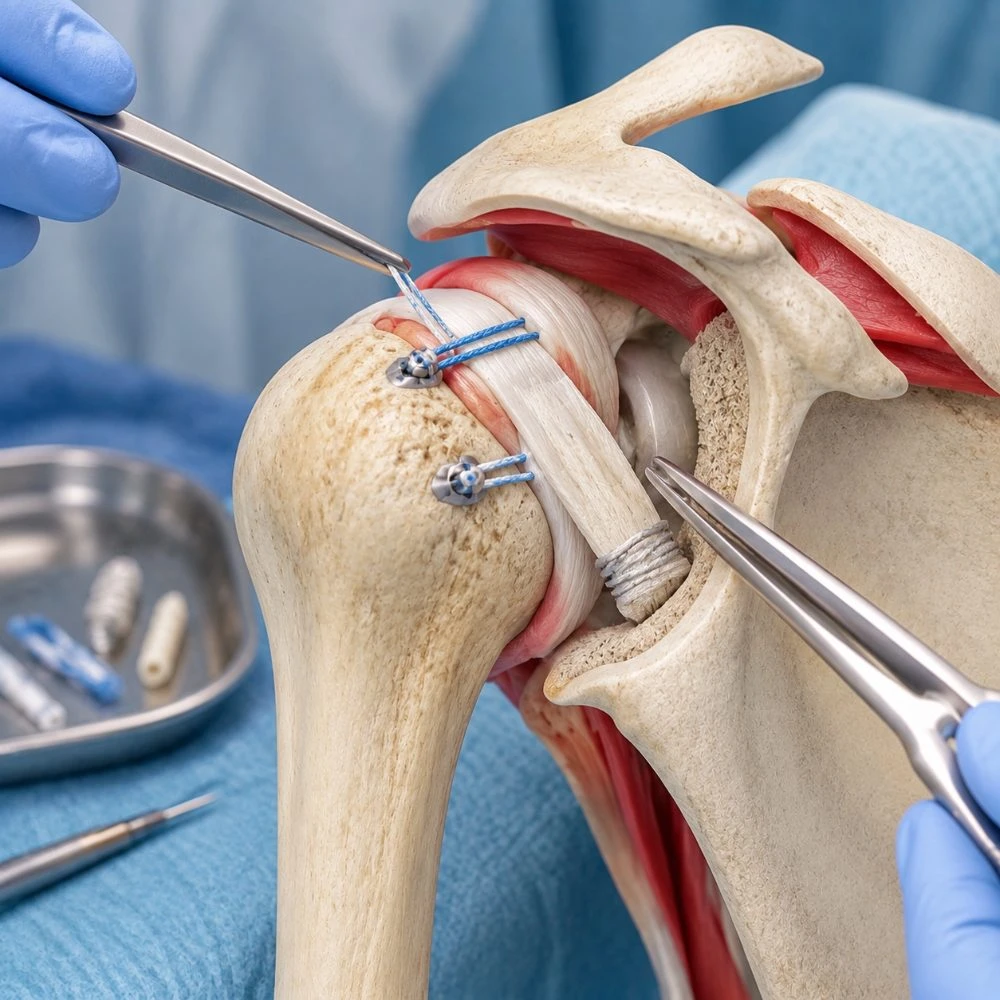
Modern rotator cuff repair relies on specialised implants designed to secure the torn tendon back to the bone during healing.
In selected complex cases, graft augmentation may be considered to provide additional support to the repair and improve healing potential.
These advances have significantly improved the reliability of tendon fixation and postoperative healing.
Biologic Augmentation After Rotator Cuff Repair
At Kindle Clinics, joint preservation and biological healing are important considerations whenever appropriate.
In selected patients, biologic augmentation techniques may be used alongside rotator cuff repair to support tendon-to-bone healing. These treatments aim to improve the biological environment around the repair site and may contribute to improved healing potential.
The suitability of biologic augmentation depends on factors such as tear size, tendon quality, patient age, and overall shoulder health.
Suitability depends on:
Every repair is assessed individually
Tear size
Tendon quality
Patient age
Overall shoulder health
Recovery After Surgery
One of the most important conversations we have with patients is about rehabilitation. Successful recovery depends on allowing the repaired tendon to heal while gradually restoring shoulder movement and strength.
Every patient heals at a different pace. Throughout the recovery process, we guide patients on what activities are safe, what to avoid, and how rehabilitation supports long-term shoulder function.
Our goal is not just pain relief. It is helping you regain confidence in using your shoulder again.
What to Expect After Surgery
The early phase of recovery focuses on protecting the repair while allowing the tendon to heal securely to the bone. Most patients wear a sling during the initial recovery period and gradually progress through different stages of rehabilitation.
What to Expect From Physiotherapy
Physiotherapy plays a critical role in recovery and usually progresses through stages:
#1
Passive movement exercises
#2
Active-assisted movement exercises
#3
Active shoulder movement
#4
Strengthening exercises
#5
Functional and sport-specific rehabilitation
Each stage has a specific purpose and progressing too quickly can compromise healing.
Many patients return to desk-based work within a few weeks, while physically demanding work, gym training, and sports activities may require 4 to 6 months or longer depending on the size of the tear and the repair performed.
Rotator Cuff Surgery Cost in Hyderabad
The cost of Rotator Cuff Repair Surgery in Hyderabad depends on factors such as tear size, surgical complexity, implants used, hospital facilities, associated procedures, and postoperative rehabilitation requirements. Following a detailed evaluation, Dr. Kiran can provide a personalised treatment plan along with a clearer estimate of expected costs.
Dr. Kiran Reddy Chennuri
MCh Orthopaedics (UK) • Sports Medicine & Arthroscopic Shoulder Surgery
Why Patients Choose Dr. Kiran Reddy Chennuri for Rotator Cuff Repair Surgery
Living with ongoing shoulder pain can affect every aspect of your life. At Kindle Clinic, we focus on accurate diagnosis, patient education, and personalised treatment planning to help you make informed decisions about your shoulder health.
Dr. Kiran Reddy Chennuri holds an MCh in Orthopaedics (UK) and has extensive experience in shoulder arthroscopy, sports injuries, tendon repair procedures, and joint-preservation techniques.
He remains committed to evidence-based treatment strategies focused on preserving shoulder health and restoring function.
If shoulder pain, weakness, or limited movement is affecting your daily routine, consult our specialists to learn whether Rotator Cuff Repair Surgery in Hyderabad can help restore your comfort and mobility. Our team is committed to providing comprehensive care throughout your treatment and recovery journey.
Shoulder Pain Shouldn't Define Your Daily Life
Painkillers may temporarily reduce discomfort, but they do not address the underlying cause of a rotator cuff tear. Identifying the source of the problem is the first step toward meaningful recovery.
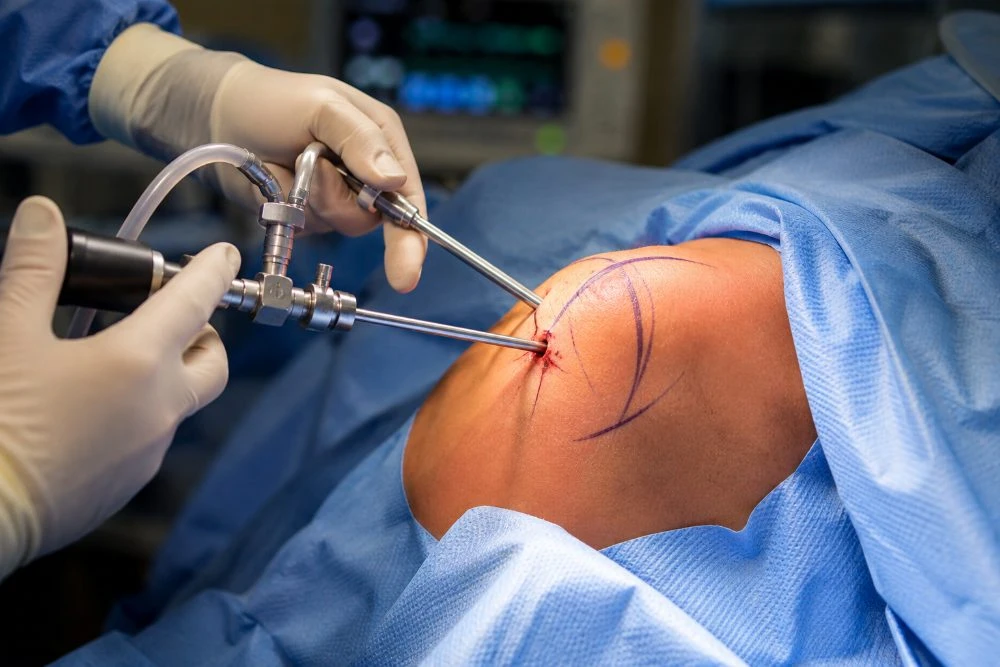
If you need advice or a surgery for rotator cuff tear, you can visit us for Rotator Cuff Repair Surgery in Hyderabad. Our focus remains the same: helping you return to your routine with a stronger, more functional shoulder and realistic expectations about recovery.
Book a Consultation
If shoulder pain, weakness, night pain, or difficulty lifting your arm is affecting your daily routine, an early evaluation can help identify the cause and prevent further deterioration.
At Kindle Clinics, Dr. Kiran Reddy Chennuri carefully assesses every patient before recommending treatment. Whether rehabilitation, biologic therapy, injections, or Rotator Cuff Repair Surgery in Hyderabad is appropriate, the goal is to restore comfortable shoulder function and improve quality of life.
To schedule a consultation, call 9000-022-004 or connect with Kindle Clinics via WhatsApp.
Take the first step back to a stronger, pain-free shoulder
Share your details and our team will call you back within 24 hours to schedule your consultation.
Your details stay private — no spam, ever.